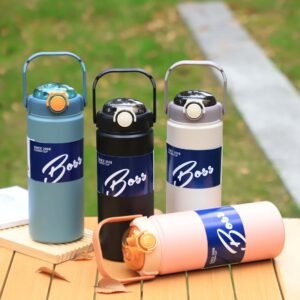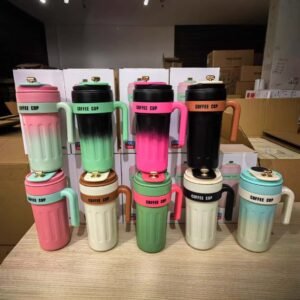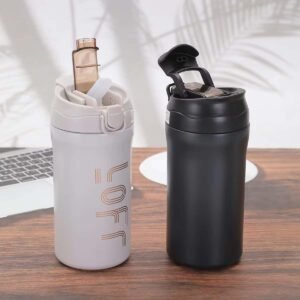
The global thermos bottle market isn’t just growing; it’s transforming. For importers and gift buyers, the standard stainless steel cylinder no longer cuts it. You face shrinking margins and rising consumer expectations, so understanding this shift is critical. We’ve analyzed the data to help you stock the right inventory, because the wrong choice ties up capital in dead stock. This guide uses real trends to solve your sourcing pain point, focusing on what truly drives sell-through rates for thermos bottles today.
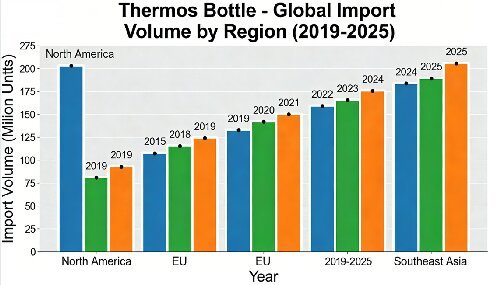
Global Thermos Bottle: 6-Year Sales Growth by Region (2019-2025)
This chart illustrates the compound annual growth rate (CAGR) for thermos bottle imports across key markets. Notice the surge in North America and Europe, driven by outdoor lifestyles, and the steady demand in Asia-Pacific, fueled by tea culture. The data reveals that the market isn’t saturated; it’s segmenting.
Why Material Science is Your New Competitive Advantage
You might think all stainless steel is the same, but it’s not. The shift to 18/8 food-grade steel is now standard, so buyers look for more. They want lightweight designs, but they fear losing durability. Your suppliers must offer materials like titanium or ceramic-lined options. These justify higher price points, and they attract premium brand partners. Therefore, reviewing your material specs is vital because it directly impacts your profit margins and brand positioning.
The Brand Owner’s Dilemma: Cost vs. Customization
You want unique designs, but minimum order quantities (MOQs) are often a barrier. Smart factories now offer modular components. This means you can change the lid color or add a custom logo without retooling the entire production line. So, you get brand differentiation without the traditional cost penalties. This agility is key because it lets you test new designs quickly and respond to trends faster than your competitors.
5 Key Features That Drive Repeat Thermos Bottle Purchases
To build a loyal customer base, you need more than just a container. Focus on these features that solve real user complaints:
Eco-friendly packaging: It aligns with brand values and reduces your carbon footprint.
Leak-proof guarantees: A non-negotiable for commuters who carry bags.
Easy-clean mechanisms: Wide mouths or fully disassemblable lids prevent mold.
Temperature retention stats: Be honest about 6 vs. 12 hours of performance.
Durable finish: Powder coating resists chips better than basic paint.
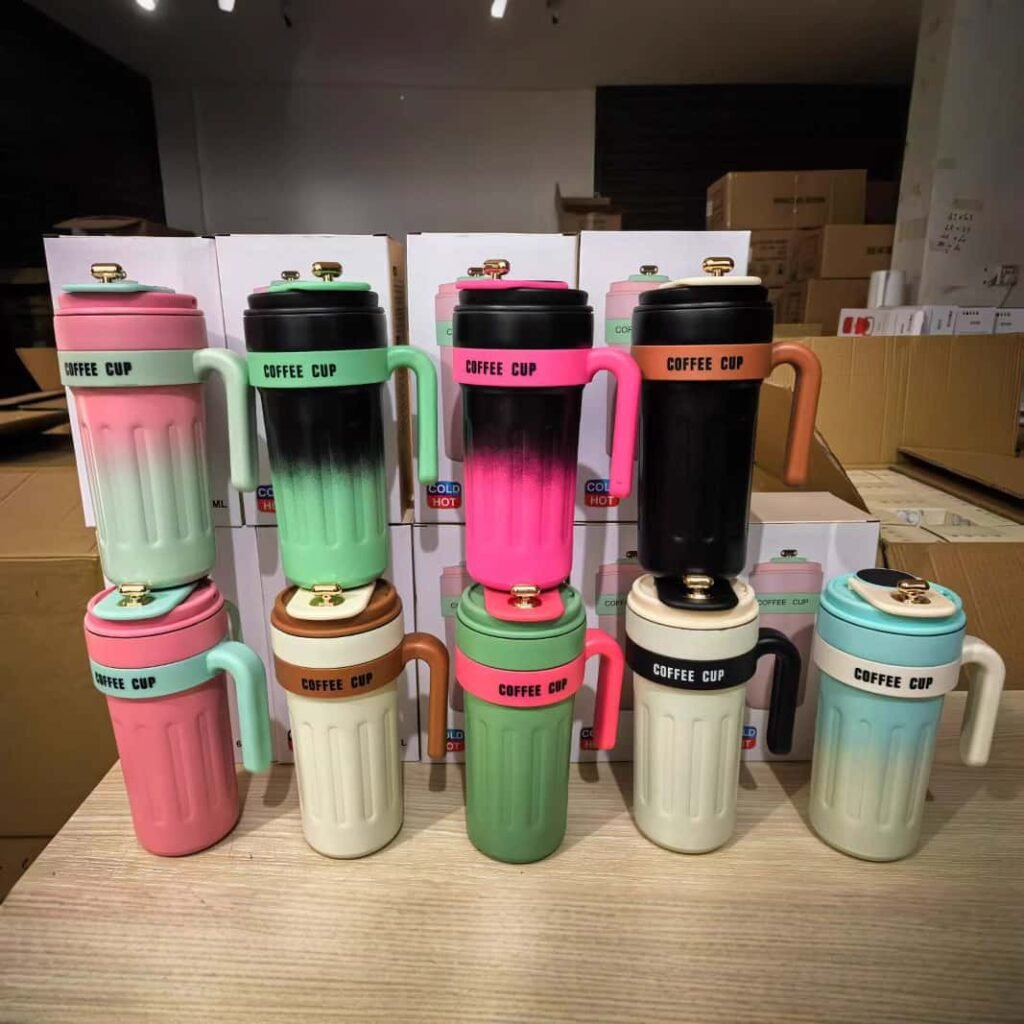
Navigating Compliance for Global Thermos Bottle Markets
Import regulations are a minefield. The standards for food contact materials in the EU differ from those in the US. You must ensure your supplier provides FDA or LFGB certification. Failing to do so results in seized shipments and lost revenue. So, make compliance your first question, not an afterthought. This protects your reputation and ensures your thermos bottles actually reach the shelves without legal hiccups.
How to Leverage Gifting Trends with Premium Thermos Bottles
The gift market is booming for wellness products. A thermos bottle is now a “care package” item. Position them as sustainable gifts for corporate events. Pair them with premium teas or coffees in a gift set. This adds value and increases your average order value. Because corporate buyers are looking for useful, branded merchandise, your bottle becomes a daily reminder of their company, offering long-term marketing exposure.
Strategic Sourcing: Balancing Cost and Innovation
Don’t just chase the lowest price. A slightly higher investment in better welding or superior vacuum insulation pays off. It reduces customer complaints and returns. You should audit factories for their automation levels. Automated production lines ensure consistent quality, and that consistency builds trust with your clients. Remember, a cheap thermos bottle that fails damages your credibility more than it saves you money.
Check our youtube and Contact Jupeng cup factory to import bottles and cups